 Mutiara Phinisi Editorial Desk
When planning a trekking adventure on Komodo Island in the dry season of 2027, it’s crucial to pack appropriately for the terrain, climate, and activities. Ensure you have lightweight, breathable clothing, sturdy hiking boots, sun protection, and necessary gear for a safe and enjoyable experience.
Understanding Komodo Island’s Climate During Dry Season
Komodo Island, part of Indonesia’s Lesser Sunda chain, experiences a distinct dry season typically from April to October. During this period, temperatures can range from 27°C (80°F) to 35°C (95°F), with humidity levels lower than in the wet season. This climate makes it ideal for trekking, as the trails are less muddy and visibility is excellent.
The dry season is characterized by clear skies and minimal rainfall, creating perfect conditions for outdoor activities such as hiking and exploring the rugged landscapes. However, the intense sun and high temperatures mean sun protection and dehydration prevention are paramount when packing for your trip.
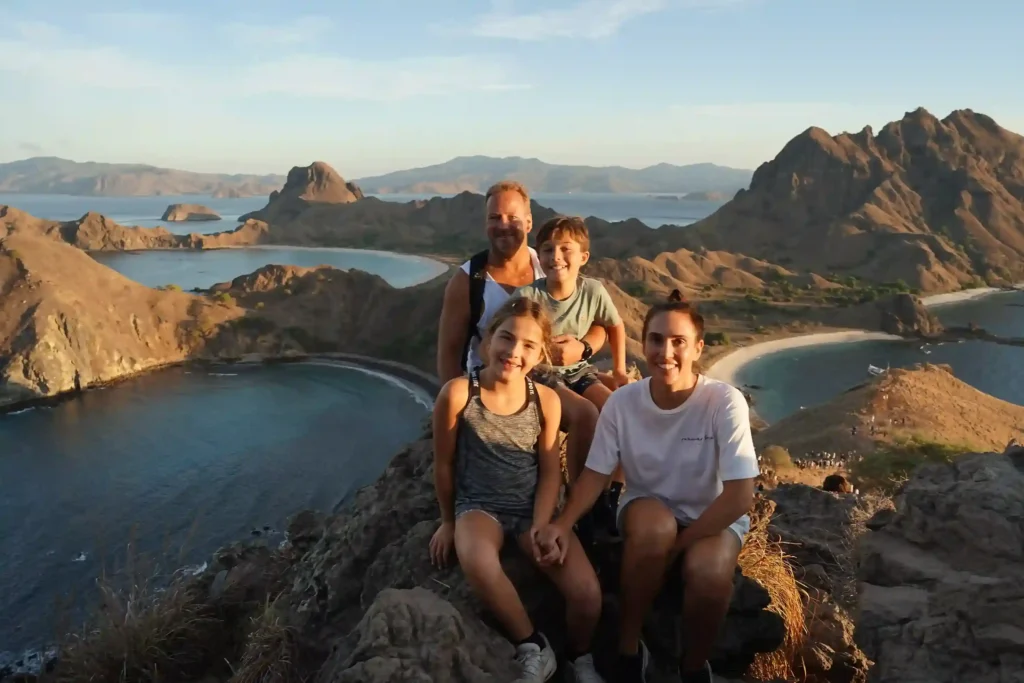
The island’s unique position in the Indonesian archipelago provides remarkable views during these months, with the surrounding azure waters and diverse wildlife adding to the allure. Visitors are advised to prepare for varying temperatures throughout the day, with cooler mornings and evenings despite the generally warm climate.
Essential Clothing for Dry Season Treks
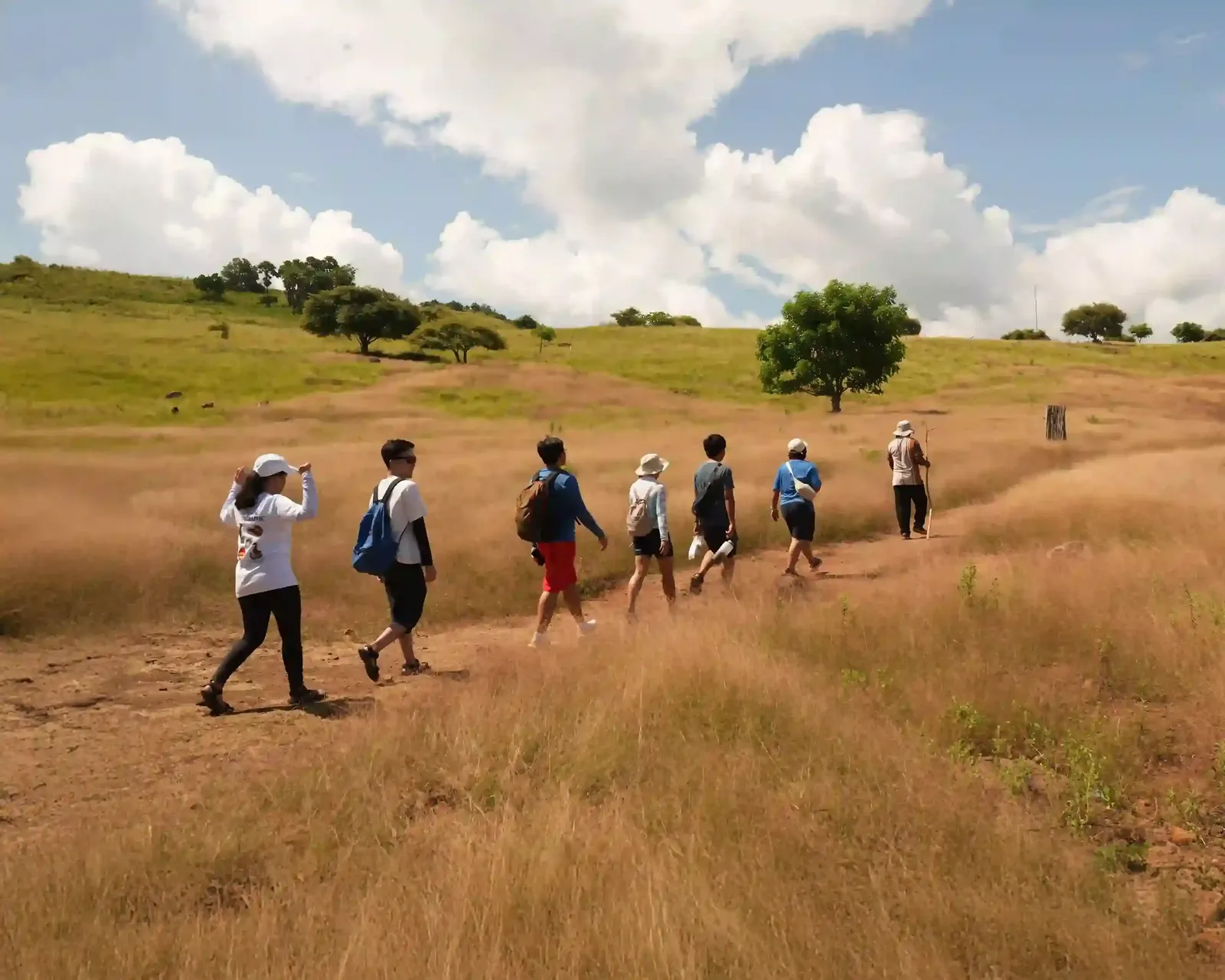
When preparing your wardrobe for a Komodo Island trek, focus on lightweight, moisture-wicking fabrics. Choose breathable materials such as cotton or technical fabrics to keep cool during hikes. Opt for long-sleeved shirts and long pants to protect against sun exposure and potential insect bites.
Footwear is another vital consideration. A good pair of sturdy hiking boots with excellent grip will help you navigate the island’s varied terrain, from rocky paths to sandy beaches. Don’t forget a wide-brimmed hat and sunglasses to shield yourself from the sun’s glare.
Layering is key, as temperatures can fluctuate throughout the day. Pack a light jacket for early morning hikes, when the air can be crisp. Additionally, consider including swimwear for impromptu dips in the ocean, especially around Komodo’s notable beaches.
Gear and Equipment Recommendations
Aside from clothing, packing the right gear is crucial for a successful trek. A good quality daypack is essential to carry your water, snacks, and other necessities. Hydration is critical, so consider a water bladder or several reusable water bottles to ensure you stay hydrated throughout the day.
A compact, lightweight first aid kit should be part of your gear, including band-aids, antiseptic wipes, and any personal medications. Additionally, a multi-tool or knife can come in handy for various situations you might encounter on the trail.
Given Komodo’s remote location, a portable GPS device or a map can be beneficial for navigation. Also, consider packing a headlamp or flashlight for early morning treks or excursions at dusk, ensuring you have the necessary visibility in low-light conditions.
Sun Protection and Health Essentials
Sun protection is non-negotiable when trekking on Komodo Island during the dry season. High SPF sunscreen is a must, and it should be reapplied regularly, especially after sweating. Lip balm with SPF protection is also advisable.
Insect repellent is another health essential. Although the dry season reduces mosquito activity, it’s better to be safe, especially if you’ll be trekking near any bodies of water. Additionally, consider packing electrolyte tablets to mix with your water, aiding in hydration and replenishing salts lost through sweat.
Compression socks might also be a useful addition, as they can help improve circulation during long hikes. Furthermore, carrying a small towel can be helpful to wipe off sweat and maintain comfort throughout your trek.
Documentation and Electronics
While Komodo Island is remote, you’ll still need some form of identification and documentation. Ensure you have copies of your passport, travel insurance, and any necessary permits for trekking within the Komodo National Park.
For electronics, bring a compact camera or smartphone for capturing the unique landscapes and wildlife. A power bank is also handy, as electricity can be limited in some areas. Don’t forget a universal travel adapter to charge your devices.
Consider installing offline maps on your phone to help navigate areas with limited reception. Noise-cancelling headphones can also enhance your travel experience, providing a relaxing soundtrack as you explore the island’s serene environments.
Preparing for Wildlife Encounters
Komodo Island is famous for its native Komodo dragons. While encounters are rare, always be prepared to follow your guide’s instructions and maintain a safe distance from these powerful creatures. Binoculars can enhance your wildlife viewing experience, allowing you to observe without disturbing the animals.
Respecting the local environment and its inhabitants is crucial. Stick to marked trails, avoid feeding wildlife, and leave no trace of your visit. This ensures the preservation of Komodo Island’s unique ecosystem for future generations.
Photographing the wildlife should be done with care, using a zoom lens to capture images from a distance without intruding on the animals’ natural behavior. Engaging in responsible tourism helps protect the natural habitat and supports conservation efforts.
Local Culture and Interactions
Engaging with the local culture on Komodo Island can enrich your trekking experience. The island is home to several ethnic groups, each with distinct traditions and customs. Visitors are encouraged to learn about local practices and show respect by adhering to cultural norms.
Participating in community-led tours can offer insights into the island’s history and way of life. These interactions are typically priced affordably and contribute directly to the local economy, providing a sustainable tourism model that benefits both visitors and residents.
When visiting villages, consider purchasing handcrafted souvenirs as mementos of your trip. These items not only serve as reminders of your adventure but also support local artisans, ensuring your visit has a positive impact on the community.
FAQs
Q? What is the best time to visit Komodo Island for trekking? A: The best time for trekking on Komodo Island is during the dry season, from April to October. This period offers the best weather conditions, with less rainfall and clearer skies.
Q? Are there any restrictions on what I can bring into Komodo National Park? A: Yes, there are restrictions to protect the environment. Items such as plastic bags and bottles are discouraged. Always adhere to park guidelines and pack eco-friendly products when possible.
Q? Do I need a guide for trekking on Komodo Island? A: While it’s possible to trek independently, hiring a guide is highly recommended for safety and gaining insights into the island’s unique ecology and wildlife.
For wider arrangements, our partner labuanbajoluxury can coordinate end to end.
See also: Labuan Bajo vs. Bali for Komodo Trips in 2027: Which Hub Offers Better Ferry Access and Lower Costs?, Day-by-Day Itinerary for Komodo Island & Pink Beach in 2027: 3-Day Adventure from Labuan Bajo · Home.