 Mutiara Phinisi Editorial Desk
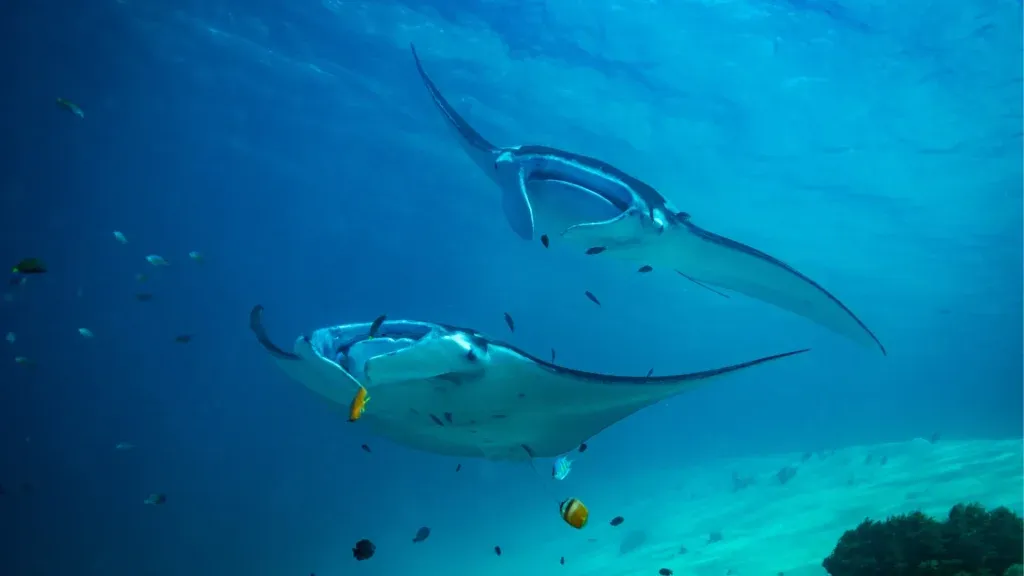
 Manta Point — Karang Makassar — is a gentle-to-moderate drift at 8–18 metres, suitable for all levels, with mantas present year-round and peaking December to March. The variable is current, not season: mantas feed and use cleaning stations on moving water. A private charter’s real advantage is that it can wait for the tide and make a second or third pass.
The site, in numbers
| Site | Depth | Current | Level | Notes |
|---|---|---|---|---|
| Karang Makassar (Manta Point) | 8–18 m | Gentle to moderate drift | All levels, Open Water plus about 10 dives | Mantas year-round, eagle rays, bamboo shark, cuttlefish |
| Manta Alley (south) | 5–25 m | Moderate to strong, choppy surface | Intermediate to advanced, negative entry | Highest manta density in the park; 20–50+ animals reported on good days |
| Mawan | 10–25 m | Moderate to strong | Intermediate to advanced | Manta cleaning station plus hard-coral slope |
| Shotgun / The Cauldron | 10–25 m | Very strong, “shotgun” effect | Advanced only | Mantas in the channel, dramatic topography |
Karang Makassar is the one non-divers can do. It is shallow, the drift is gentle to moderate, and snorkellers see mantas from the surface regularly. Manta Alley in the south is a different proposition — negative entry, choppier water and a genuine intermediate-to-advanced site, but it carries the highest manta density in the park.
Why a private charter changes the odds
Manta encounters are not scheduled. They depend on where the current is running and whether the animals are feeding or queueing at a cleaning station. A shared boat on a fixed itinerary gets one shot: the group arrives at the hour the schedule dictates, drifts once, and moves on because eighteen other guests have a bus to catch.
A private charter can do three things a shared boat cannot:
- Arrive on the tide instead of the timetable. The captain and dive guide pick the window; the schedule bends to it.
- Repeat the drift. If the first pass is thin, you go again. Nobody is voting.
- Swap the order. Manta Point and Taka Makassar routinely trade places in the day’s sequence depending on current and wind — an operational reality that only a private boat can act on freely.
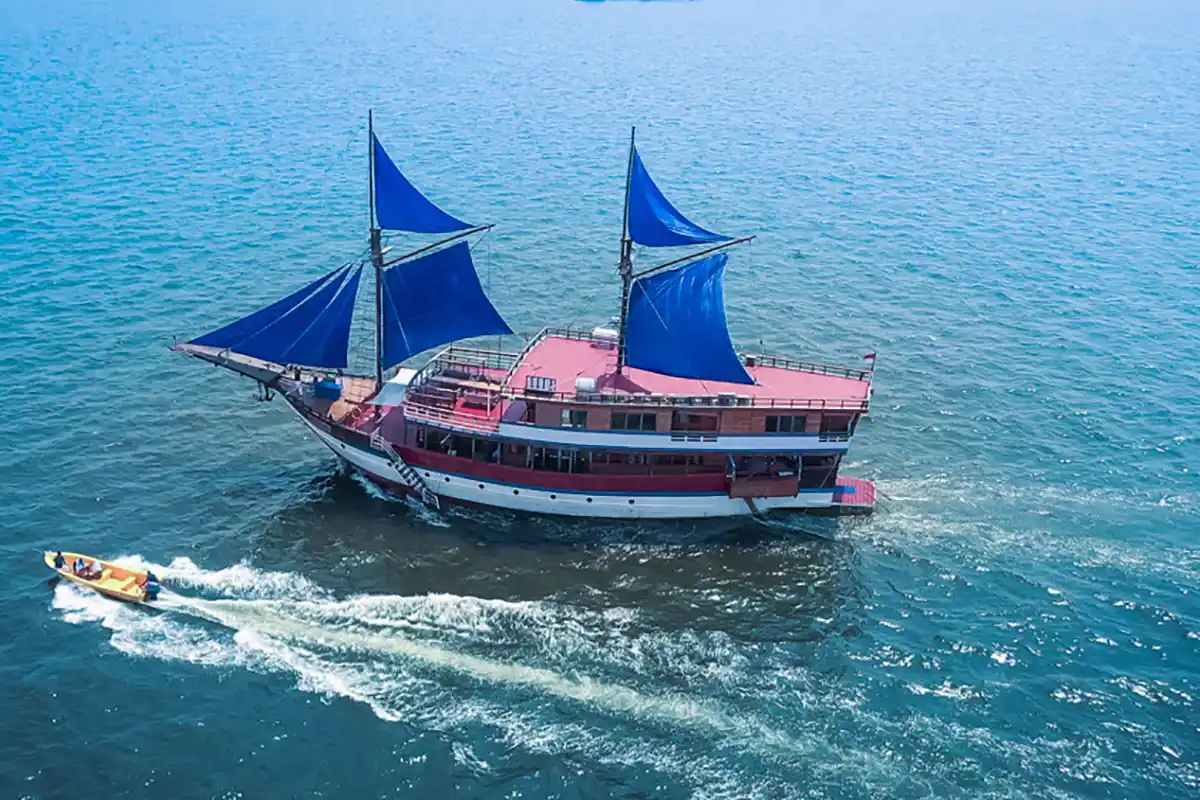
That last point is the kind of detail that separates an operator from a brochure. The sequence in a published itinerary is a plan, not a promise, and on a charter it is yours to change.
What is provided, and what you bring
| Included | Not included |
|---|---|
| Dive tanks | BCD and regulator |
| Dive guide at 1:4 | Dive computer |
| Weight belt, weights and hooks | Wetsuit and booties |
| Torch for night dives | Nitrox |
| Standard snorkelling fins | Open-heel fins, dive mask |
| Dive documentation (GoPro) | Dive insurance, park diving tickets |
Note the hooks. Reef hooks are only on an inclusion list where the current genuinely runs — a quiet, honest signal about the sites this boat visits. Note also that BCD and regulator are not included, which surprises divers who assume a liveaboard supplies full kit. Arrange rental at booking. The complete inclusion list is on the inclusions page.
Manta etiquette, which is also manta strategy
The rules that protect the animals are the same rules that keep them in front of you. Stay low and still rather than swimming at them; never touch or ride; keep clear of the space above a cleaning station so the wrasse can work; and let the animal set the distance. Divers who hold position on a hook and wait consistently see more than divers who chase.
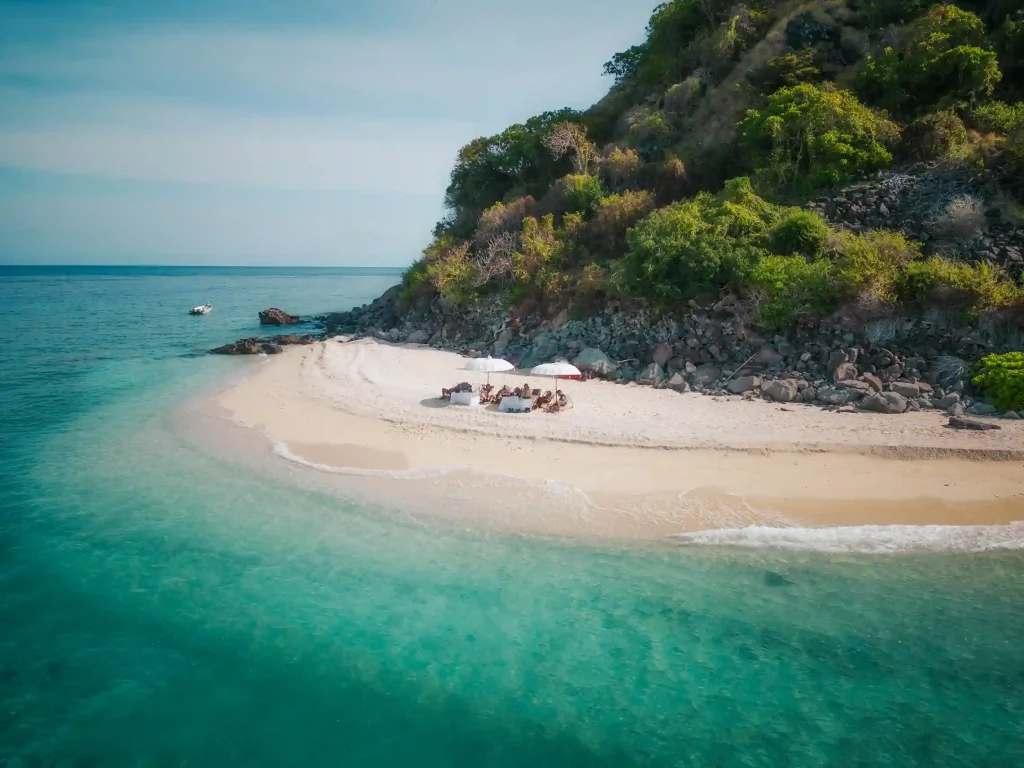
Snorkellers get a genuinely good version of this site. At 8–18 metres with a gentle drift, surface encounters at Karang Makassar are common, which matters if your group is mixed — some diving, some not, everyone in the water. Where that fits into the day, alongside the sandbar at Taka Makassar, is covered in our Pink Beach and Taka Makassar timing guide.
Season: the honest version
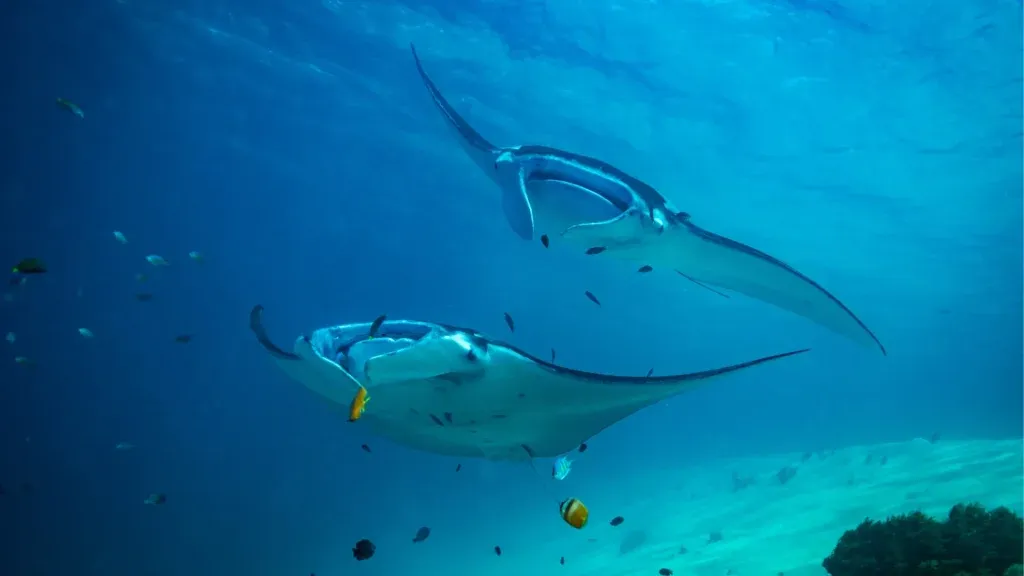
Mantas are at Karang Makassar all year. The peak is December to March, when plankton-rich monsoon water concentrates them — which is also the roughest sea of the year, with some vessels in maintenance and the highest disruption risk of any window. Selling those months as “low season” understates them; they are manta season with a weather premium attached.
April to June and September to November give you calm water, 15–30 metre visibility in the north and centre, and mantas that are present but less concentrated. If your group includes people who have never dived, that trade is usually the right one. Cabin arrangements for mixed-ability groups are on the family charter page.
Checking a date
Availability for Mutiara Cruise Phinisi sits with the reservations desk at Komodo Luxury, the operator that markets and charters the vessel — trading since 2015 and part of Juara Holding Group. WhatsApp +62 811 3823 875 is quickest for a date hold; sales@komodoluxury.com is better when you want the quote, contract and invoice in writing.
Rate and specification figures on this page come from the operator’s published Mutiara Cruise Phinisi listing and were checked on 1 August 2026. Charter rates are reviewed annually. Ask for the current sheet in writing before paying anything.
Frequently asked questions
Can beginners dive Manta Point in Komodo?
Yes. Karang Makassar sits at 8–18 metres with a gentle to moderate drift and is rated for all levels, typically Open Water with around ten logged dives. Manta Alley in the south is a different site — negative entry, stronger current, intermediate to advanced only.
What is the best time of year to see mantas in Komodo?
December to March is the peak, when plankton-rich water concentrates the animals, and it is also the roughest sea of the year. Mantas are present at Karang Makassar year-round, so April–June and September–November offer encounters in far calmer conditions.
Can you snorkel with mantas at Karang Makassar?
Yes. The site is shallow with a gentle drift, and surface encounters are common, which makes it the natural choice for a mixed group where some guests dive and others do not.
How many chances do you get to see mantas on a charter?
On a shared boat, usually one drift at the scheduled hour. On a private charter the captain and dive guide can time the pass to the current and repeat it, which is the single biggest practical advantage of chartering for divers.
Is dive equipment included on the boat?
Tanks, a guide at one-to-four, weight belt, weights, hooks and a night-dive torch are included. BCD, regulator, dive computer, wetsuit, open-heel fins, nitrox and dive insurance are not, so arrange rental when you book.