 Mutiara Phinisi Editorial Desk
Visiting Komodo National Park to meet the legendary Komodo dragons is an incredible experience, but it comes with significant safety responsibilities. In 2027, ranger instructions and boat operator standards are vital to ensure safety while preserving the magnificent biodiversity of the region.
Understanding Komodo National Park
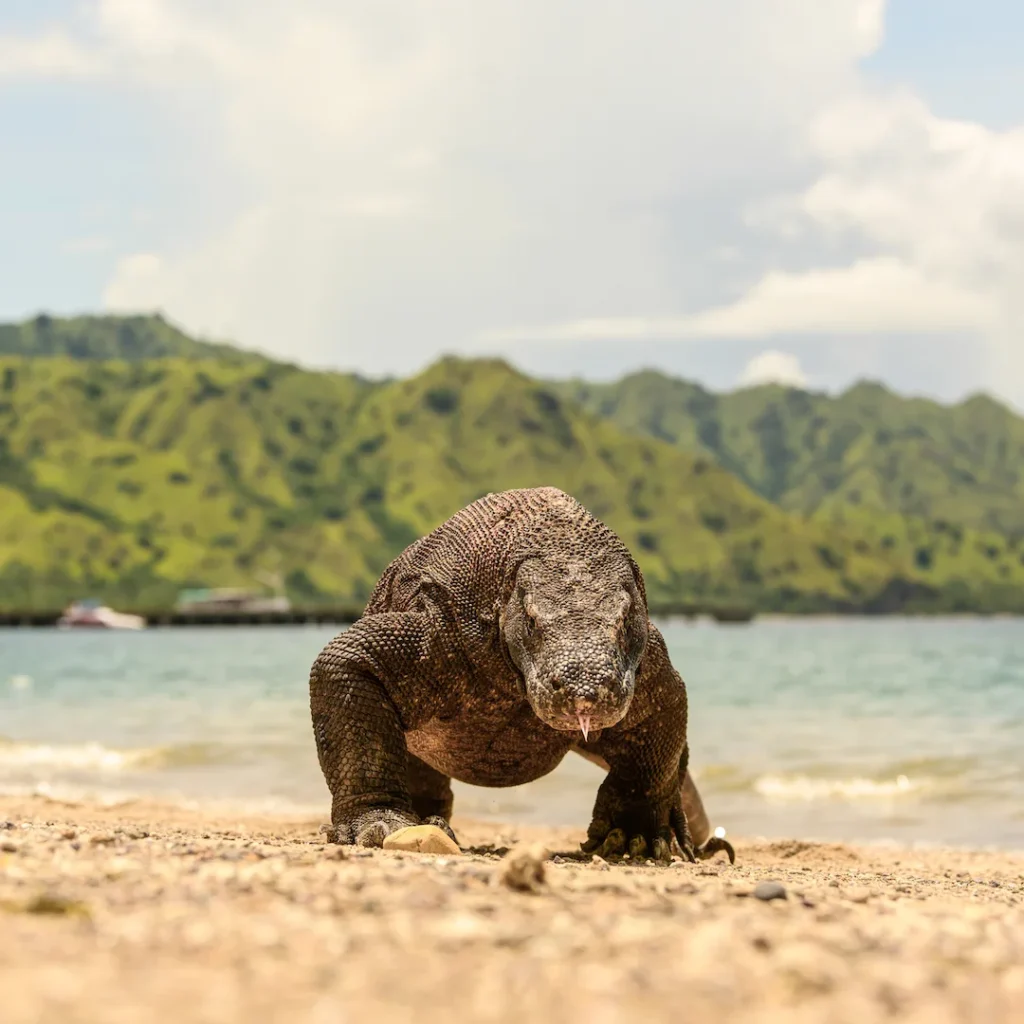
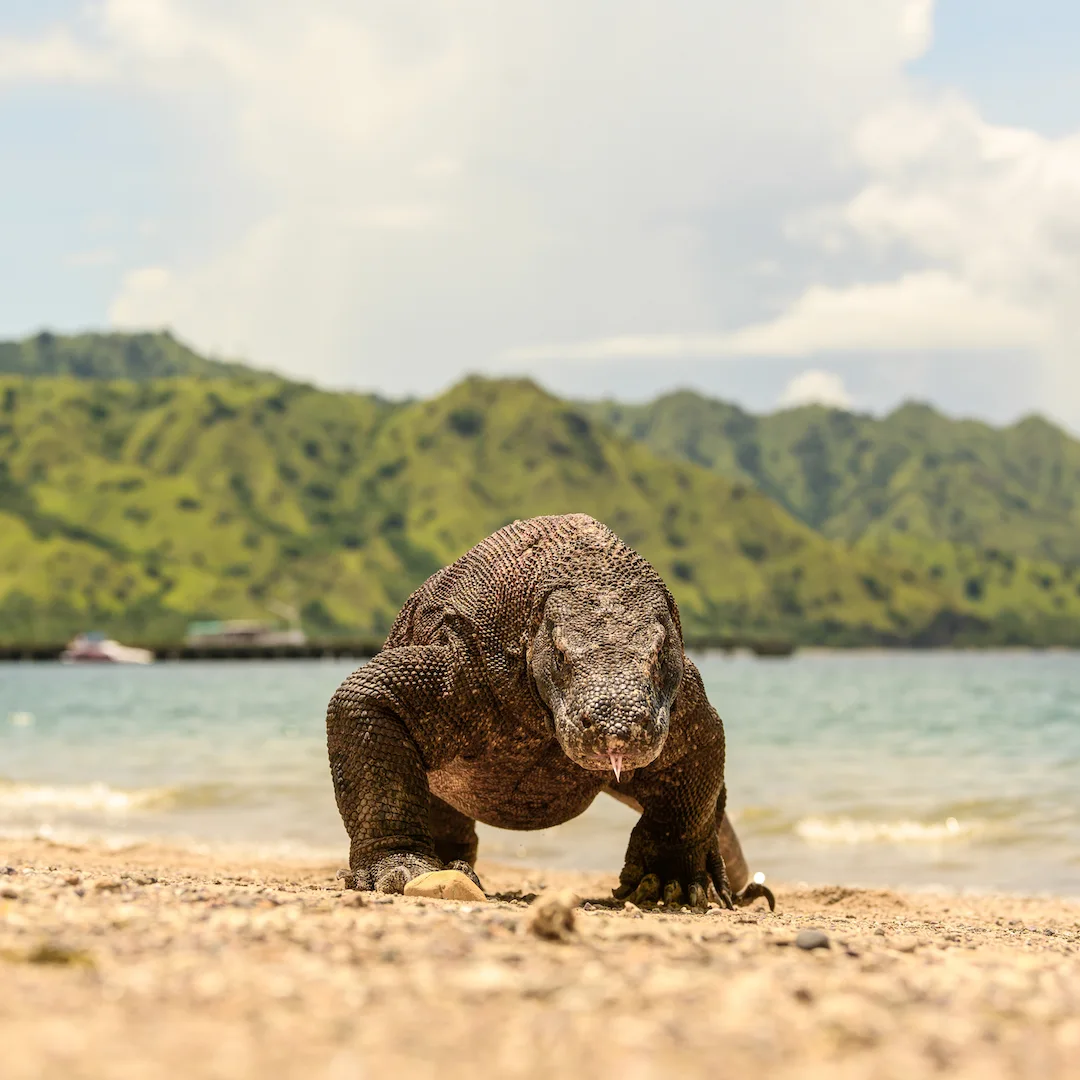
Komodo National Park, located in Indonesia, is one of the few places where the Komodo dragon, the world’s largest lizard, can be observed in the wild. Established in 1980, this UNESCO World Heritage Site spans over 1,733 square kilometers of land and sea, encompassing the islands of Komodo, Rinca, and Padar, along with numerous smaller islands.
The park is not only home to around 5,700 Komodo dragons but also to a diverse range of marine life, notable coral reefs, and other wildlife such as Timor deer, wild boars, and more than 1,000 species of fish. The park’s tropical climate consists of a wet season from December to March and a dry season from April to November, making the dry months the most popular for visitors. The unique underwater biodiversity, including rare species such as the Dugong and various types of sharks, attracts divers from all over the globe.
The Role of Rangers in Komodo National Park
Rangers play a crucial role in ensuring the safety of visitors and the protection of the Komodo dragons. They are well-trained and equipped to handle emergencies and understand the behavior of these prehistoric creatures. Rangers guide visitors through designated trails and provide essential information on how to safely observe the dragons.
Visitors are always advised to follow the rangers’ instructions closely. These guidelines include maintaining a safe distance from the dragons, as they can run swiftly and have a powerful bite. Rangers also instruct visitors to remain calm and move slowly to avoid alarming the dragons. By adhering to these instructions, the safety of both visitors and the dragons is ensured. Rangers also conduct regular patrols to monitor wildlife behavior and habitat conditions, ensuring that both the animals and the park’s natural beauty are preserved for future generations.
Boat Operator Standards for Visitor Safety
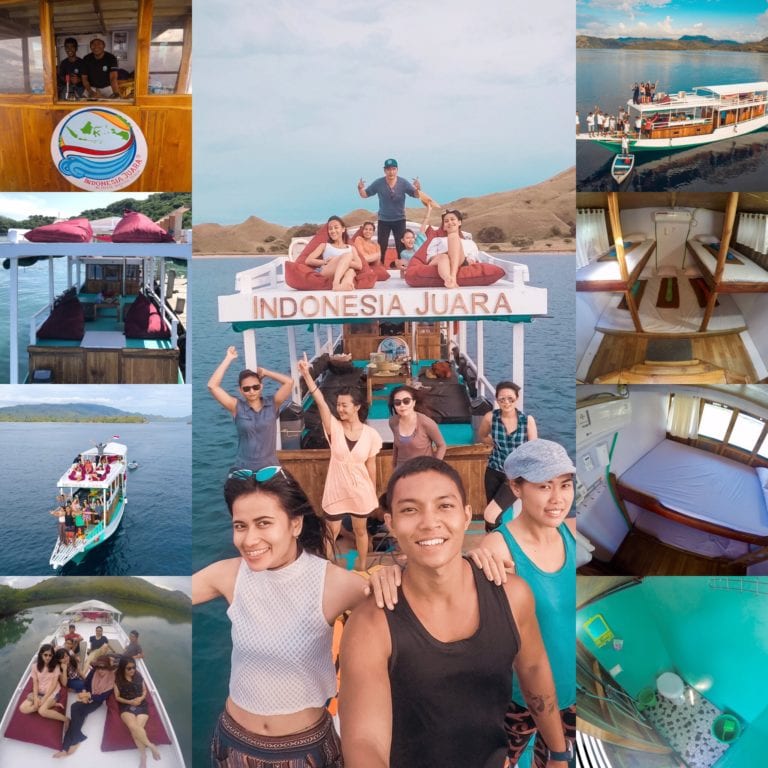
Boat operators in Komodo National Park adhere to strict standards to ensure visitor safety and the protection of the marine environment. They undergo rigorous training and certification to provide safe transit between islands and for diving or snorkeling excursions.
Operators are required to maintain their vessels in good condition, carry essential safety equipment, and follow environmentally friendly practices. This includes proper waste disposal, anchoring methods that do not damage coral reefs, and respecting marine protected areas. Ensuring that operators meet these standards is vital for the sustainability of tourism in the park. Operators are also encouraged to use low-emission engines to protect air quality and reduce noise pollution, which can disturb marine and terrestrial wildlife.

Best Practices for Observing Komodo Dragons
When visiting Komodo National Park, it is essential to follow best practices for observing Komodo dragons to ensure a safe and respectful encounter. These practices include keeping a safe distance, typically at least 10 meters away, to avoid provoking the animal.
Visitors should also stay on marked trails and avoid making sudden movements or loud noises that could startle the dragons. Carrying a stick, as recommended by rangers, is a precautionary measure to deter any close approaches by dragons. Always be vigilant and follow the rangers’ lead to ensure a safe and memorable experience. It is also advisable to wear neutral-colored clothing to blend into the environment and avoid attracting unwanted attention from the wildlife.
Conservation Efforts and Visitor Responsibilities
Conservation efforts in Komodo National Park aim to protect the unique ecosystem and its inhabitants. Visitors play a crucial role in these efforts by adhering to park regulations and minimizing their environmental impact. It is essential to respect wildlife and habitats by avoiding littering and refraining from removing any natural objects or disturbing the wildlife.
Educational programs and initiatives led by the park authorities help raise awareness about the importance of conservation. By participating in these programs, visitors can contribute to the park’s efforts to preserve this unique environment for future generations. The park also collaborates with international conservation organizations to monitor and protect endangered species, ensuring the park remains a sanctuary for biodiversity.
Preparing for Your Visit to Komodo National Park
Proper preparation is key to a safe and enjoyable visit to Komodo National Park. It is recommended to book tours through reputable operators who adhere to safety and environmental standards. Visitors should also ensure they have adequate travel insurance that covers adventurous activities.
Bringing appropriate clothing, sun protection, and sufficient water is essential, especially during the hotter months. Visitors should also be aware of any health advisories and vaccination requirements when planning their trip. Being well-prepared enhances the overall experience and ensures the safety of all visitors. Additionally, understanding the cultural significance of the region and respecting local customs can enrich the travel experience.
Exploring the Cultural Heritage of Komodo National Park
In addition to its natural wonders, Komodo National Park is rich in cultural heritage. The local communities on the islands of Komodo, Rinca, and surrounding areas have unique traditions and lifestyles that have been shaped by their environment and history. Visitors have the opportunity to learn about traditional fishing techniques, local crafts, and the cultural significance of the Komodo dragon in local folklore.
Engaging with local communities can provide insights into their sustainable practices and efforts to balance tourism with preservation. Participating in community-led tours and workshops not only supports local economies but also fosters a deeper understanding of the interconnectedness of nature and culture in this extraordinary region. Travelers are encouraged to purchase locally-made handicrafts and products, which contribute directly to the livelihoods of the island’s inhabitants.
FAQs
Q? Is it safe to visit Komodo National Park? A: Yes, visiting Komodo National Park is generally safe when visitors follow ranger instructions and safety guidelines. Staying on marked paths and maintaining a safe distance from Komodo dragons are key precautions.
Q? What should I do if I encounter a Komodo dragon? A: If you encounter a Komodo dragon, remain calm and move slowly away while maintaining eye contact. Do not make sudden movements, and follow any instructions provided by the rangers to ensure your safety.
Q? Can I take photos of the Komodo dragons? A: Yes, photography is allowed, but it is important to keep a safe distance and avoid using flash. Respect the natural behavior of the dragons and be mindful of their space while capturing your photographs.
For wider arrangements, our partner labuanbajoluxury can coordinate end to end.
See also: Day-by-Day Itinerary for Komodo Island & Pink Beach in 2027: 3-Day Adventure from Labuan Bajo, What to Pack for Komodo Island Trekking in 2027: Essential Gear List for Dry Season Treks · Home.